


through sustainable liquid fuels
Lets TalkTerms and ConditionsApril 14, 2026
Chlorine: the Silent Killer of Biomass Systems
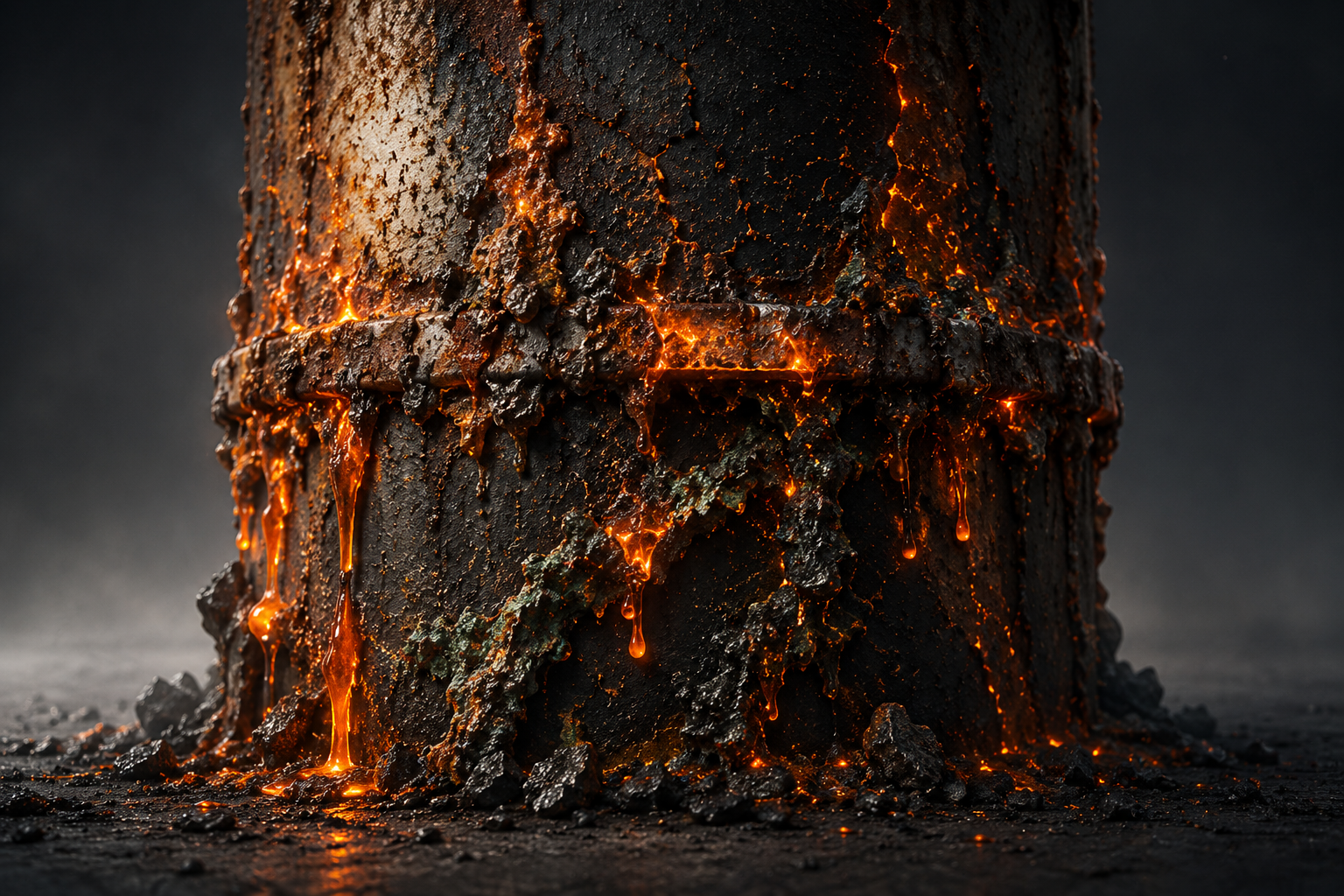
Corrosion isn’t random. It’s chemical.
Research published in Nature Communications Engineering biomass corrosion study shows that corrosion in biomass systems aligns more closely with chlorine chemistry than sulfur, highlighting chlorine as a primary driver of material degradation in industrial boilers.
Chlorine is one of the most damaging contaminants in biomass fuels. Even at relatively low concentrations, it drives aggressive corrosion mechanisms at high temperature.
Research from Nature Publishing Group shows chlorine accelerates corrosion in industrial systems, reducing asset life and increasing maintenance costs.
What This Means in Practice
In boilers, kilns, and high-temperature reactors, chlorine leads to:
- Accelerated material degradation
- Increased maintenance frequency
- Shortened equipment lifespan
This isn’t a minor issue. It directly impacts uptime, cost, and operational reliability.
Why Industry Hesitates
Even when biomass is cheaper.
Even when it’s renewable.
Operators won’t accept:
- Higher corrosion risk
- Unplanned shutdowns
- Increased maintenance costs
Reliability always wins over sustainability.
What ByoMax Changes
ByoMax reduces chlorine-related contaminants at the source.
The result is a cleaner, more stable fuel that:
- Minimises corrosion risk
- Protects critical equipment
- Supports consistent operation
The Outcome
Same systems.
Lower risk.
Cleaner fuel that works with industrial infrastructure. Not against it.